Festivity is a lively and fulfilling concept that goes beyond mere festivity. It includes the heart of life, weaving into the strands of gratitude, togetherness, and happiness. At its core, festivation is about honoring and celebrating the blessings we receive, both as individuals and collectively. From the colorful celebrations in India honoring harvests to the solemn rituals of commemoration practiced in different cultures, these events serve as deep reminders of the beauty woven into the weave of existence.
Across the world, cultures come alive through these special gatherings, each festival sharing its own distinctive story. Whether it be through music, celebration, cuisine, or rituals, cultural festivals provide an occasion to connect profoundly with our heritage while building bonds with others. They remind us to pause, reflect, and celebrate the wealth of life, fostering a sense of belonging that surpasses our daily lives. Through festivation, we not only acknowledge our individual journeys but also accept the common spirit of togetherness that defines humanity.
A Spirit of Festivals
Celebrations are vibrant expressions of culture and society, embodying the collective spirit of those who partake in them. They function as a link connecting us to our history, traditions, and shared values, allowing individuals to enter a world where happiness, gratitude, and reflection intermingle. Each festival is filled with distinct elements that reflect the history and values of the society it comes from, showcasing a rich tapestry of rituals, melodies, dance, and creativity that underscore our varied human experience.
The importance of celebrations goes beyond mere celebration; they function as a powerful symbol of life's gifts. During these occasions, groups come together to acknowledge and give thanks for what they have, reinforcing bonds between companions and families. Celebrations create a space where people can partake in the joys of life, demonstrate their creativity, and celebrate the cycles of the natural world and human existence. In a rapidly moving world, they offer a pause, a moment of deliberation and appreciation for the blessings we often take for granted.
Cultural festivals, in particular, play a critical role in preserving and advocating traditions. They not only teach younger generations about their roots but also encourage people from various backgrounds to engage and experience them. As diverse cultures come together to mark the occasion, they foster understanding, harmony, and respect among people. The collective experiences of happiness, creativity, and spiritual experiences found in festivals continually enhance the fabric of society, making them crucial for nurturing both personal and communal wellbeing.
Cultural Importance and Diversity
Celebrations serve as a representation of the multifaceted cultures that shape our communities. Each festival carries its unique significance, often linked to historical events, farming seasons, or religious observances. For instance, Diwali in India celebrates the triumph of illumination over shadow, while Carnaval in Brazil marks a colorful pre-Easter festivity firmly grounded in historical legacy. These cultural festivals not only showcase the practices and rituals of a community but also reinforce cultural identity and belonging among community members.
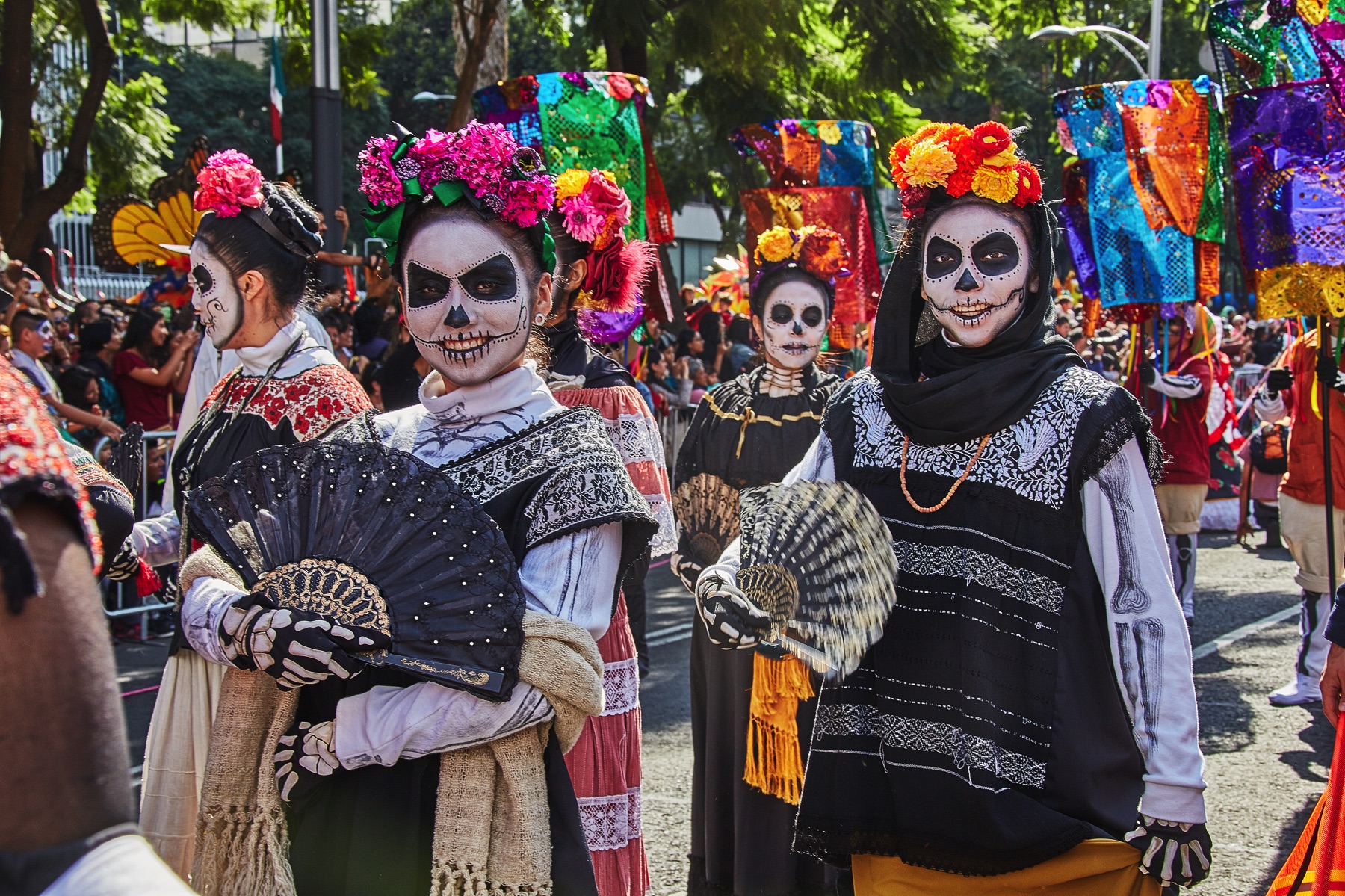
The diversity found in global events is a testament to human creativity and resilience. Festivals like the Lunar New Year, with its intricate rituals and vibrant significance, connect kin and communities through common cultural heritage. Similarly, the Day of the Dead in Mexico celebrates deceased relatives who have passed away, mixing indigenous practices with Catholic faith. These types of events exhibit the complex fabric of values and practices that distinguish different cultures, encouraging understanding and understanding across cultural divides.
Additionally, the communal aspect of festivals underscores their significance in encouraging community spirit. As individuals come together to celebrate, they strengthen relationships and create lasting memories. Cultural festivals often promote multi-generational engagement, where traditions are handed down, ensuring perpetuation and cultivating a sense of shared identity. In this way, the recognition of life's gifts through festivals not only respects the past but also motivates coming generations to cherish and uphold their heritage.
Commemorating Spiritual Essence By Means of Cultural Practices
Events serve as a vibrant manifestation of the faith embedded in various civilizations around the world. Through ceremonies, melodies, and crafts, these celebrations often provide a space for people to bond deeply with their faith and heritage. Folkloric performances and songs performed during festivals allow communities to honor their heritage, highlighting the significance of honoring one's foundations. These cultural assemblies foster a sense of community and shared identity, deepening the sacred ties that bind people as one.
A variety of festivals include symbolic traditions that mirror the beliefs and practices of the culture they symbolize. For instance, the Festival of Lights, symbolizes the triumph of illumination over darkness and good over evil, offering everyone a chance to ponder on their individual and shared journeys. Likewise, the Harvest Festival in various cultures honors the bounty of the land and expresses thankfulness for the blessings received throughout the season. Such traditions enrich the spiritual experience, reminding individuals of the interconnectedness of existence and the importance of appreciation.
As individuals gather to celebrate these cultural festivals, they create an atmosphere saturated with divine energy. The joint experiences of happiness, reflection, and renewal bring communities together and provide individuals with a profound sense of direction. In this way, festivals are not merely happenings marked on a calendar; they are sacred moments that validate the spiritual essence of living and motivate people to appreciate their gifts amid the rhythms of everyday living.