

In a world that often hurries us from one commitment to the next, the concept of celebration invites us to stop and celebrate the wonder of life in its many aspects. It encourages us to delight in the special moments, big or small, while acknowledging that every culture holds distinct festivals that embody their principles, traditions, and history. From the vibrant colors of Holi in India to the peaceful lanterns of Yi Peng in Thailand, these cultural celebrations alert us of our shared humanity and the happiness found in coming togetherness.
Festivals are not merely occasions marked on a schedule; they are opportunities to connect with our roots, embrace diverse cultures, and foster a sense of belonging. They teach us to value creativity, music, and communal spirit that define various societies around the world. Whether it is through the steady beats of a drum circle or the graceful choreography of traditional dance, each ethnic festival offers a snapshot of how people honor their lives and stories. As we explore the core of festivation, we discover how to honor every moment with appreciation, joy, and connection.
The Significance of Holidays in Society
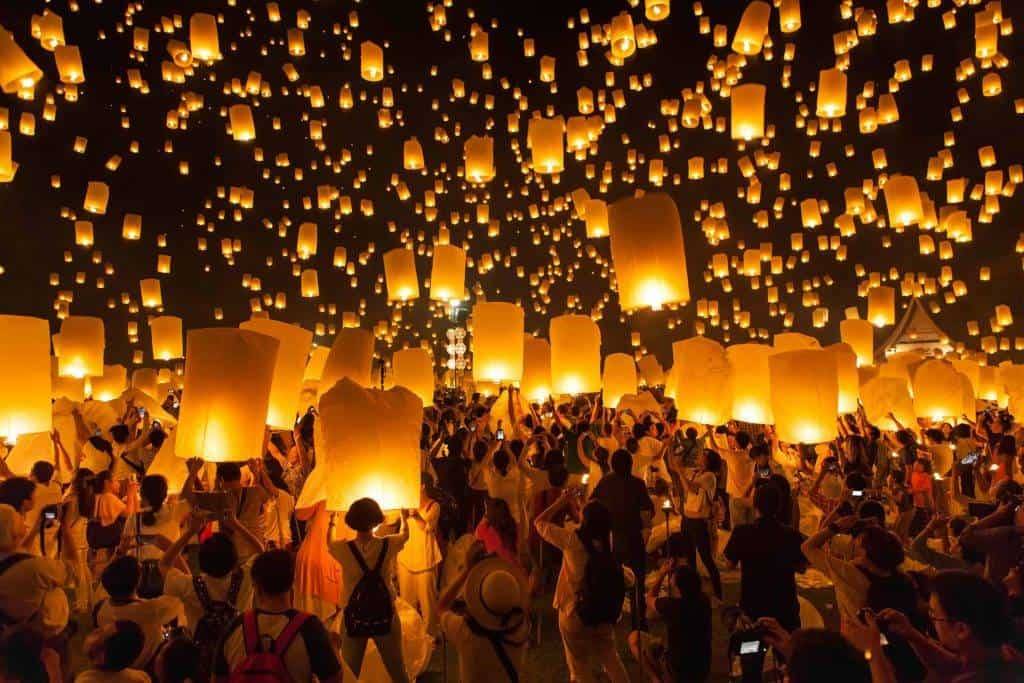
Celebrations hold a vital place in the core of cultures around the world, serving as a reflection of common beliefs, values, and history. They function as a symbol of the traditions passed down through time, allowing people to connect with their roots and understand their cultural background. Each celebration represents unique customs, rituals, and practices that are distinctive to certain communities, constituting an integral part of their cultural identity.
Through the observance of festivals, various cultures showcase their creativity and diversity. They offer a platform for artistic expression, featuring music, dance, art, and cuisine. These events not only promote a sense of belonging among community members but also attract visitors, fostering cultural exchange and understanding. By participating in these festivities, individuals can experience the liveliness and diversity of various societies, broadening their perspectives and appreciation for global cultures.
Additionally, celebrations serve as a means to encourage social unity and harmony. They unite individuals from various backgrounds, allowing for the forging of new connections and strengthening of existing bonds. In this regard, festivals become a collective celebration, where people come together to honor shared experiences, joys, and challenges. This joint involvement nurtures a spirit of harmony and strengthens the idea that festivals can close divides and promote peace within different populations.
Diverse Celebrations Across the Globe
Throughout the world, festivals serve as colorful expressions of tradition and tradition. In the Indian subcontinent, Diwali, often referred to as the Festival of Diwali, illuminates homes with oil lamps and gathers people in celebratory festivity. The celebration signifies the victory of light over darkness and virtue over wickedness, marking a time for introspection, renewal, and unity among loved ones and neighborhoods.
In Latin America, Carnival season showcases the rich cultural tapestry of Brazil, where energetic samba fills the air and grand parades enthrall spectators. This festival is a celebration of joy, marked by colorful attire and lively dances. The spirit of this festival transcends limits, encouraging everyone to participate and share in the joy of joy, highlighting the importance of community in cultural representation.
In the Land of the Rising Sun, Hanami, or cherry blossom viewing, not only celebrates the splendor of the natural world but also represents the ephemeral nature of existence. During this period, family members and families gather in gardens to partake in picnics under blooming sakura, fostering bonds and appreciation for the moment. Each of these festivals, distinct yet typically relatable, mirrors the varied ways societies honor life and connections within their societies.
events ">Honoring Cultural Heritage Through Cultural Events
Events are a colorful reflection of cultural heritage, offering a portal into the customs and values that shape societies. Each event serves as a honoring of heritage, where people come together to remember their past and express their distinct stories. The colors, sounds, and flavors experienced during these celebrations play a vital role in reinforcing bonds to the past while fostering a sense of inclusiveness among attendees.
As various cultures around the planet convene to celebrate their unique traditions, celebrations become a significant platform for cultural exchange. They provide an platform for participants to discover about the practices of different people, leading to greater understanding and respect of alternative ways of life. This exchange of cultural elements not only enhances the experience of participants but also helps preserve heritage elements that might otherwise disappear over the years.
Embracing cultural heritage through festivities is a commemoration of unity. By taking part in traditional celebrations, individuals not only join in happy activities but also participate to the ongoing story of their cultural identity. This participation fosters a sense of pride in one's heritage and highlights the value of maintaining traditional practices, ensuring that next generations will also have the ability to appreciate the wealth of their heritage traditions.